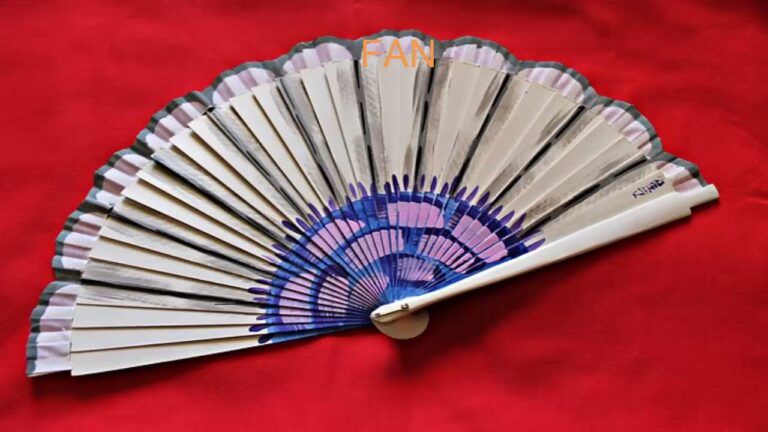
¿Alguna vez te has preguntado cómo se dice abanico en inglés? En este artículo, te revelaremos la traducción de esta palabra tan común en español. Sigue leyendo para descubrir cómo se denomina este útil accesorio en el idioma inglés. ¡No te lo pierdas!
¿Cuál es el nombre en inglés de los abanicos de mano?
Los abanicos de mano se llaman hand fans en inglés. Esta traducción al español se puede encontrar en ejemplos en el contexto de Reverso.
¿Cómo se escribe la palabra abanico?
La palabra “abanico” se escribe con “a”, “b”, “a”, “n”, “i”, “c”, y “o”. Según el Diccionario de la lengua española de la Real Academia Española, abanico viene del diminutivo de abano y se refiere a un objeto que se utiliza para avivar el aire.
¿Cuál es la palabra para abanico en Estados Unidos?
En Estados Unidos, se dice “fan” en inglés. Un abanico es un objeto utilizado para producir corrientes de aire, generalmente para refrescar el ambiente. En inglés, la palabra “fan” se utiliza para referirse a este objeto, así como para describir a una persona que admira o apoya a un equipo, artista o figura pública.
Master the Art of Translating Abanico
Are you ready to master the art of translating “abanico” into English? “Abanico” can be translated as “fan” in English. This versatile word can refer to the handheld fan used for cooling, as well as the fan shape or pattern found in architecture and design. By understanding the various contexts in which “abanico” is used, you can effectively and accurately translate this word in a way that captures its full meaning and nuance.
When translating “abanico” into English, it’s important to consider the specific context in which the word is being used. Whether it’s describing a decorative fan, a range of options, or a sweeping movement, the English translation should convey the intended meaning clearly and accurately. By mastering the art of translating “abanico,” you can ensure that the richness and depth of this word are preserved in English, allowing for seamless communication across language barriers.
Unlocking the Mystery of Abanico in English
El abanico es un accesorio elegante y práctico que ha sido parte de la cultura española durante siglos. Su origen se remonta a la antigüedad, donde se utilizaba como un símbolo de estatus y elegancia. Con el tiempo, el abanico se convirtió en una herramienta de comunicación no verbal, conocida como el “abanico de lenguaje”. A través de gestos sutiles y movimientos precisos, se podían transmitir mensajes secretos y emociones.
Hoy en día, el abanico sigue siendo una parte importante de la cultura española, y su influencia se ha extendido a otras partes del mundo. Conocer el significado detrás de sus movimientos y gestos puede ayudar a desbloquear el misterio del abanico en inglés. Desde señalar hacia adelante para indicar interés, hasta cerrarlo lentamente para mostrar desdén, cada movimiento tiene un significado único y codificado que solo aquellos familiarizados con el abanico pueden comprender.
Al aprender a interpretar el lenguaje del abanico en inglés, se puede abrir una puerta a una forma de comunicación fascinante y única. Ya sea que esté en una fiesta elegante o en una reunión formal, dominar el arte del abanico puede ayudarlo a transmitir sus pensamientos y emociones de manera sutil y elegante. Desbloquee el misterio del abanico en inglés y descubra el poder de la comunicación no verbal a través de este accesorio icónico de la cultura española.
Fluent in Spanish? Learn Abanico in English!
Are you fluent in Spanish and looking to expand your vocabulary in English? Look no further! Learn the word “abanico” in English, which translates to “fan.” Whether you’re trying to cool off on a hot day or add a touch of elegance to your outfit, knowing the English equivalent of this common Spanish word will surely come in handy. So why wait? Start incorporating “abanico” into your English conversations today!
Your Guide to Perfectly Pronouncing Abanico
Let’s master the pronunciation of “abanico”! This beautiful Spanish word means “fan” in English, and it’s a versatile accessory that can keep you cool on a hot day or add a touch of elegance to your outfit. To pronounce “abanico” correctly, start by saying “ah-bah-nee-koh.” Make sure to emphasize the second syllable “bah” and roll the “r” sound in the third syllable “nee.” Practice saying it slowly at first, then gradually speed up until you feel confident in your pronunciation.
Now that you’ve nailed the pronunciation of “abanico,” let’s explore its cultural significance. In many Spanish-speaking countries, the abanico is not just a practical item, but also a symbol of tradition and femininity. It’s often seen in flamenco dancing, where performers use it to express emotion and grace. By mastering the pronunciation of “abanico,” you’re not just learning a word – you’re connecting with a rich cultural heritage that values artistry and self-expression.
So next time you see a beautiful abanico, you’ll be able to pronounce it perfectly and appreciate its cultural significance. Whether you’re using it to stay cool or adding a touch of flair to your style, remember the correct pronunciation: “ah-bah-nee-koh.” Embrace the elegance and tradition that the abanico represents, and let your newfound knowledge enhance your connection to the Spanish language and culture. ¡Qué viva el abanico!
In English, the word abanico translates to fan. Whether you’re trying to cool off on a hot day or create a dramatic flourish, knowing this simple translation can help you navigate everyday conversations with ease. So next time you need to describe a fan in English, you can confidently use the word fan to get your point across.